

The boundaries between character rights, intellectual property and the increasingly vicious tone of comedy have rarely looked so blurry, writesVince Hooper.
IN A WEEK, when Britain debated free speech, national identity, and whether fictional bears can sue television shows, the unlikeliestheadlineappeared:
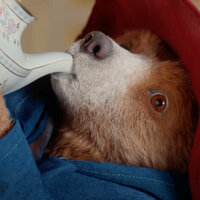
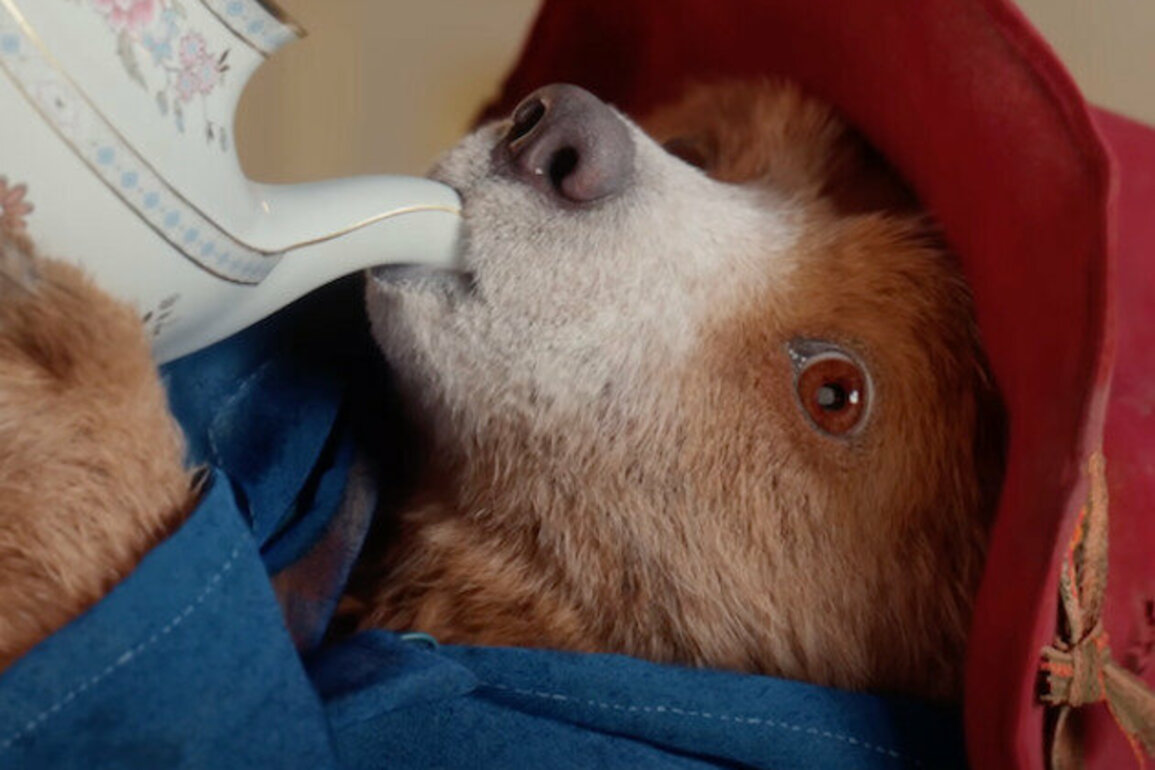
In the annals of British cultural oddities, few legalproceedingspromise such gentle absurdity. On one side stands a polite Peruvian immigrant bear with impeccable manners, a duffle coat, and an unyielding love for marmalade sandwiches. On the other, a latex-puppet institution renowned for lampooning prime ministers, rock stars, and anyone foolish enough to be famous in Britain.
The alleged offence? Paddingtons handlers claim that a recent Spitting Image skit crossed from satire into slander, portraying their beloved bear not as the wide-eyed moral compass of Britains better self but as a sinister, sandwich-hoarding syndicate boss thinkRupert Murdochin fur. In the puppet parody, he was shown yelling at Aunt Lucy in the Sky with Diamonds like a marmalade-madGordon Ramsayand running an offshore Cayman Marmalade Trust with suspicious efficiency.
Make the Pets Great AgainIn Springfield, they're eating the dawgs, the people that came in...
This is character assassination with marmalade, declared Paddingtons solicitor perhaps the only courtroom statement in British history to provoke both laughter and an immediate craving for toast.
Of course, Spitting Imagesproducersremain unrepentant. Their art thrives on grotesque exaggeration. Theyve turnedMargaret Thatcherinto an alien queen, the Royals into caricatured aristocrats, and presidents into rubber-faced jesters. To them, Paddington was simply the next logical target: a celebrity in his own right who has met the Queen, starred in blockbuster films, and been declared an ambassador of British decency by successive chancellors. In the world of satire, celebrity fictional or not means youre fair game.
Yet this marmalade-coated lawsuit raises a real question: what happens when wholly fictional beings demand the same protections as living people? Legally, parody occupies a curious grey zone: protected as free expression, yet constantly tested by the thin-skinned, the corporate, and the trademarked. If Paddington wins, could Danger Mouse sue for defamation? Might Mr Bean take Twitter to court for alleging MI6 credentials? The boundaries between character rights, intellectual property, and the increasingly vicious tone of modern comedy have rarely looked so blurry or so teddy-bear-shaped.
Artists say AI scraping without permission isn't innovation, it's exploitationThe Government has proposed an exception to copyright laws to allow AI to source material fromthousands of Australian artists and writers.
Theres also something quietly revealing about the choice of target. In a Britain where political scandal is constant and civility increasingly rare, mocking Paddington feels like a national mirror. Perhaps the shows producers recognised that the one thing the British still hold sacred isnt the monarchy, nor Parliament, but manners. Paddington represents a kind of moral nostalgia the decency people wish still governed Westminster and the press alike.
And yet, Spitting Image has always reflected Britains appetite for humiliation its genius and its vice. The latex may have aged, but the urge to sneer remains evergreen. In poking fun at Paddington, the show may have stumbled upon the countrys last untouchable virtue: kindness.
Whether the case ends in a settlement, a puppet-burning outside the Old Bailey, or a televised handshake over sticky orange sandwiches, one thing is certain: Britains ability to laugh at itself remains undiminished.
As Paddington might say with impeccable restraint, Please look after this satire. Thank you.
And if this is what British justice looks like in 2025 well, one hopes the judge remembers his marmalade sandwiches!
Vince Hooperis a proud Australian/British citizen and professor of finance and discipline head at SP Jain School of Global Management with campuses in London, Dubai, Mumbai, Singapore and Sydney.