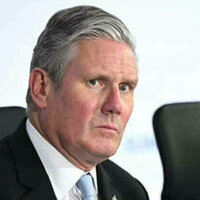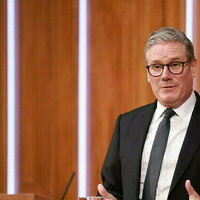


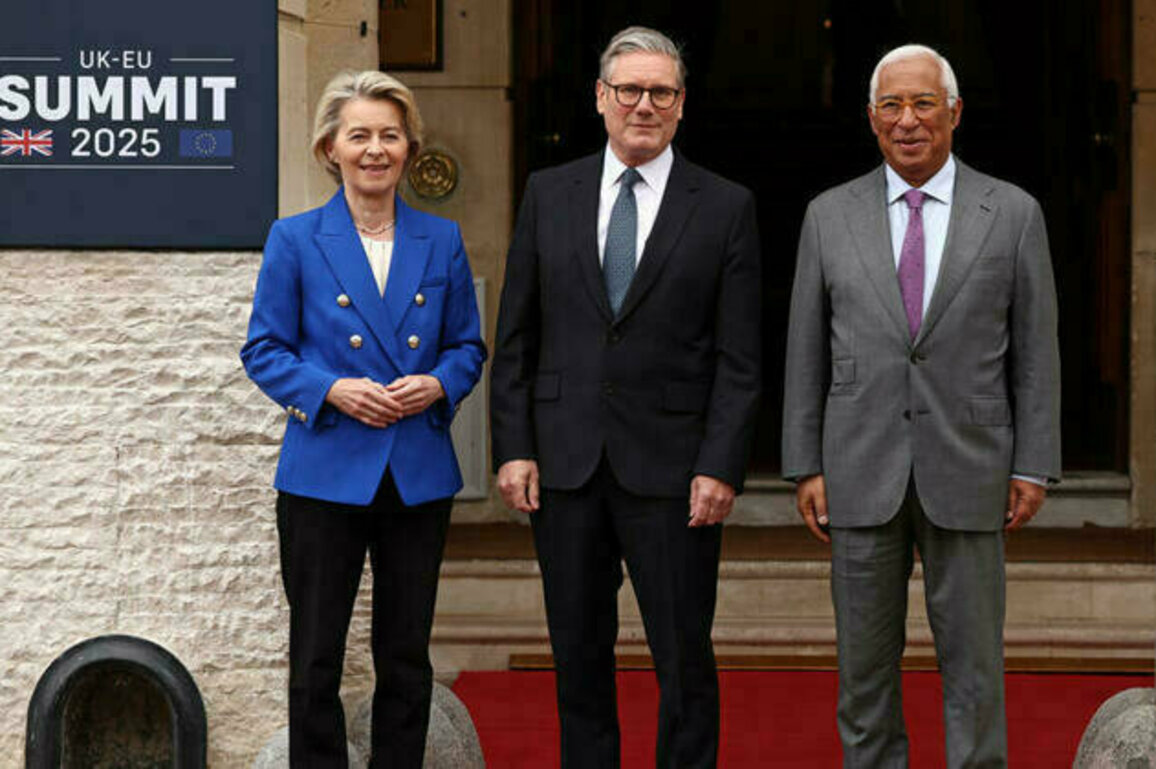
UK Prime Minister Keir Starmer said on Monday relations with the European Union were entering a "new era" post-Brexit, as the UK and EU agreed texts on long-standing sticking points including defence and fishing rights.
UK Prime MinisterKeir Starmerhailed a new partnership with the EU on Monday, forged at a landmark summit and opening a new chapter in ties after Britain's acrimonious exit from the bloc five years ago.
Starmer said it "marks a new era in our relationship... We are agreeing a new strategic partnership fit for our times".
He said "real, tangible benefits" for theUKwould be seen in "security, irregular migration, energy prices, agri food, trade" as well as "bringing down bills, creating jobs and protecting our borders".
EU chiefUrsula von der Leyensaid it was "a big day because we are now turning the page and opening a new chapter".
"That is so important in these times, because we see the rise of geopolitical tensions, but we are like minded. We share values," she added.
EU diplomats said a deal had been reached on resetting ties with the UK after late-night talks to resolve differences on key sticking points.
EU member states have approved a trio of texts to be signed at the summit, particularly ondefence, and, after a last-minute breakthrough, the thorny issue of fishing rights.
'Surrender'
Starmer's Labour government had argued the EU deal negotiated with the UK's previous Conservative government "isn't working for anyone".
But Starmer, who came to power in last July's general elections ousting the Conservatives, has several red lines he has said he will not cross.
Sticking points have remained over some EU demands and the Conservatives are already criticising the reset move as a "surrender".
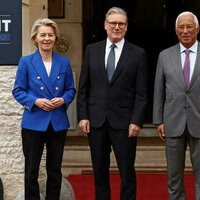
The two sides would ink the "Security and Defence Partnership" -- the highlight of Monday's sit-down between Starmer and von der Leyen, European Council PresidentAntonio Costaand chief diplomatKaja Kallas.
Two other documents are set to be signed on Monday -- a joint statement of European solidarity from the EU-UK leaders' summit and a Common Understanding on topics from trade to fishing and youth mobility.
Under the final agreement, Britain will keep its waters open for European fishermen for 12 years after the current deal expires in 2026, in return for the 27-nation bloc indefinitely easing red tape on food imports from the UK, diplomats said.
On youth mobility, negotiators agreed to general wording that leaves the haggling for later.
The issue is another main source of friction, with London fearing any youth mobility scheme could spell a return to freedom of movement between the EU and the UK.
And Starmer, who has vowed to battle rising irregular immigration, is approaching the issue cautiously amid soaring support forNigel Farage's hard-right anti-immigration and Eurosceptic party Reform UK.
Read moreFarages Reform UK wins seat as main parties brace for losses in local polls
Shadow of Russia, Trump
The talks come as the EU and Britain race to rearm in the face of the threat from Russia and fears that under PresidentDonald Trumpthe United States will no longer help protect Europe.
The defence partnership should mean more regular security talks, Britain possibly joining EU military missions and the potential for London to fully tap into a 150-billion-euro ($167-billion) defence fund being set up by the bloc.
But much of the detail is likely to be filled in later.
Giving the UK and its defence industry unfettered access to the EU programmes, for instance, would require further agreement.
Britain already has intertwined defence ties with 23 EU countries inNATO, so the defence pact was always seen as the easiest deal on the table.
Starmer has ruled out rejoining the EU customs union and single market but according to a draft document seen by AFP agreed to align with the EU on food and agricultural products.
Starmer has also rejected a return to freedom of movement but is open to a limited youth mobility scheme that would allow some British and European 18- to 30-year-olds to study and work in the UK and vice versa.
"I think we should keep our sense of the importance of this relatively tempered," said Olivia O'Sullivan, director of the UK in the World programme at the Chatham House think-tank.
"It's the next step in closer cooperation... but not a resolution of many of the outstanding questions," she told AFP.
(FRANCE 24 with AFP)
Originally published on France24